
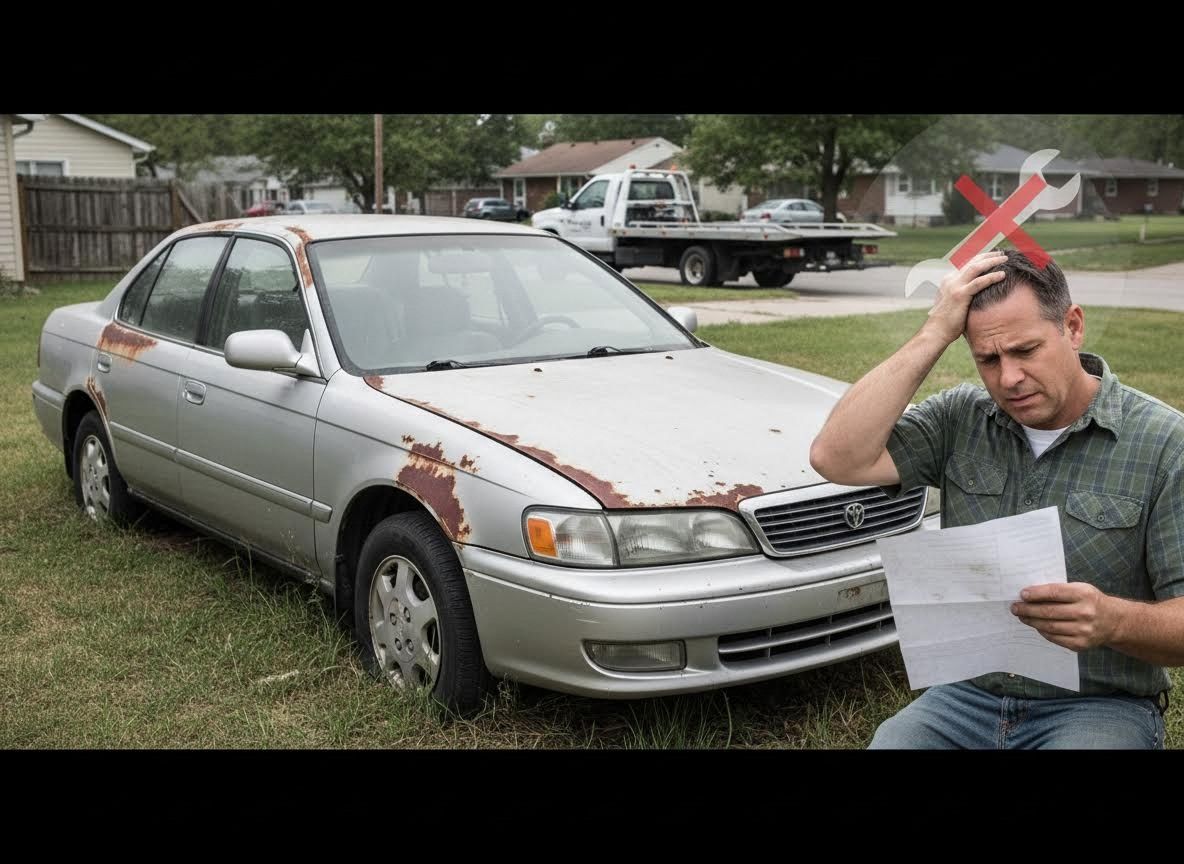
Every vehicle has a lifespan, and while some cars gracefully age into classic status, others eventually reach a point where they're more trouble than they're worth. Recognizing when your car has officially crossed the line from "old reliable" to "junk" can save you significant time, money, and stress. If you're wondering if it's time to part ways, Car buyers cash for junk cars is here to help you understand the common indicators.
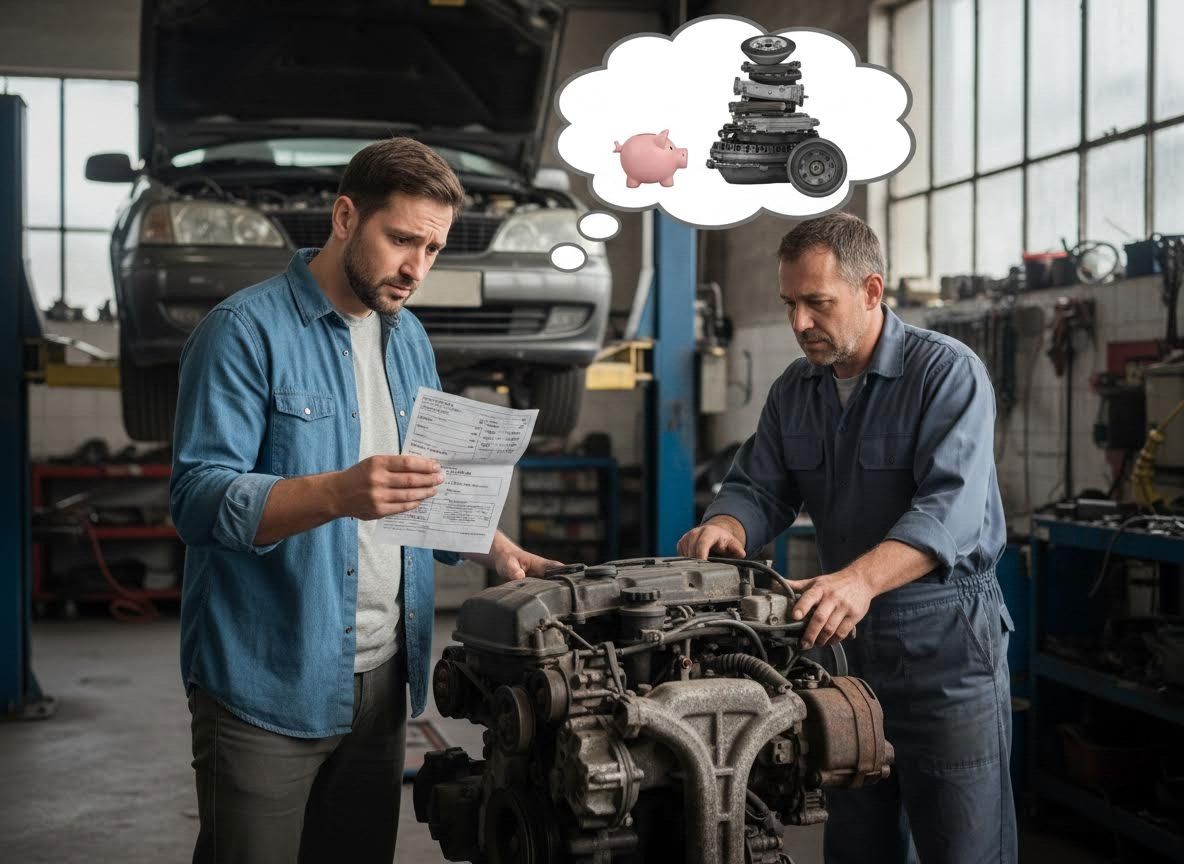
When Repair Costs Outweigh Value
One of the most telling signs your car is junk is when the cost of necessary repairs consistently exceeds its actual market value. You might find yourself in a cycle of expensive fixes, only for another major component to fail shortly after. This financial drain often includes significant engine problems, transmission issues, or critical electrical system failures that require a hefty investment with no guarantee of a lasting solution. When the mechanic's estimate gives you sticker shock and makes you question if it's truly worth it, that's a strong indicator.
Constant Breakdowns and Unreliability
A car that leaves you stranded regularly, refuses to start without a jump, or constantly displays warning lights is more than just an inconvenience—it's a liability. If you're experiencing frequent breakdowns, whether on your commute or during a short errand, your vehicle's reliability has likely diminished beyond repair. This ongoing unreliability not only disrupts your daily life but can also pose safety risks, making it impractical and potentially dangerous to continue driving.
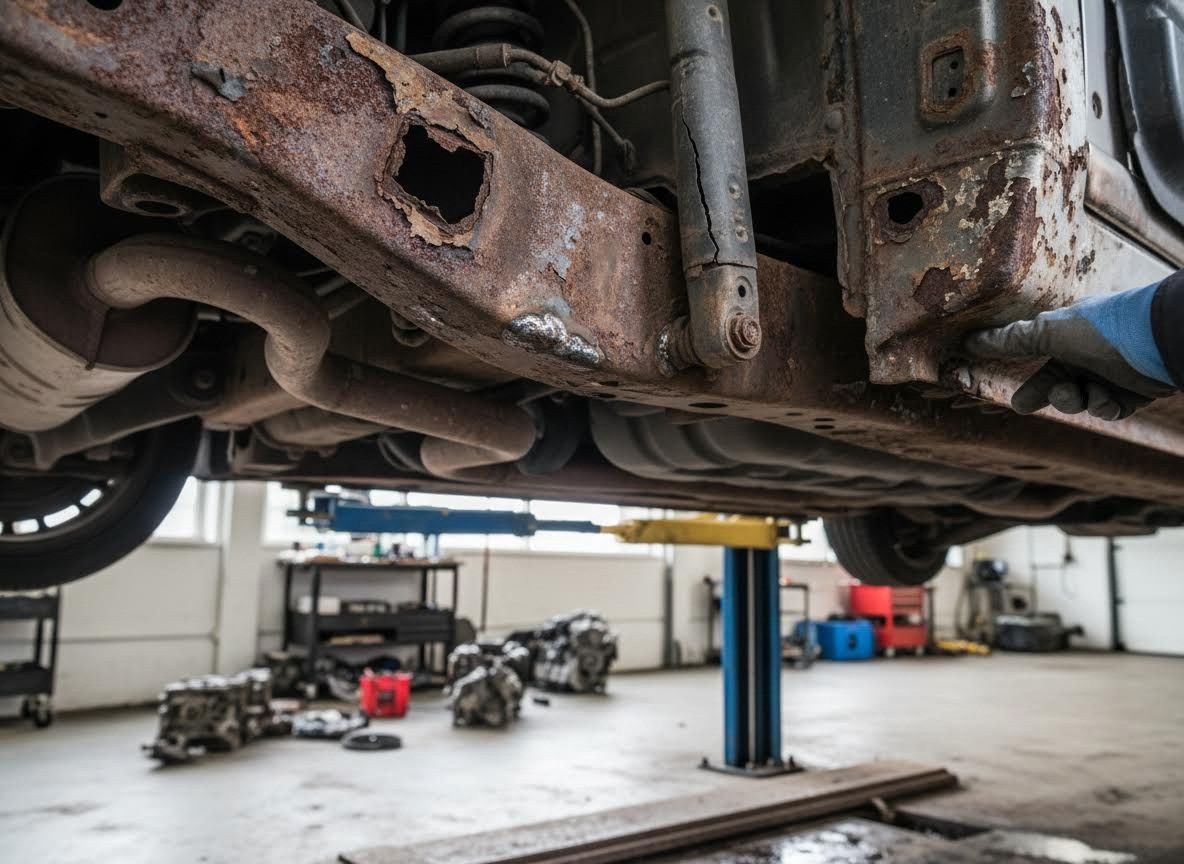
Severe Structural Damage and Rust
Beyond cosmetic blemishes, significant structural damage, frame rust, or extensive corrosion can compromise your vehicle's safety and integrity. Rust that has eaten through the body panels, undercarriage, or critical components can weaken the car's structure, making it unsafe in an accident. Likewise, damage from previous collisions that was never fully repaired or has worsened over time can also render a vehicle a safety hazard, regardless of how well the engine might still run.
Failing Emissions or Legal Roadworthiness
Many areas require vehicles to pass emissions tests to be legally driven on public roads. If your car repeatedly fails these tests, and the cost to bring it into compliance is exorbitant, it’s a clear sign of underlying issues that are not only costly but also environmentally detrimental. Furthermore, if your vehicle has critical components missing, non-functional safety features, or damage that makes it uninsurable or legally undrivable, it has effectively become junk.
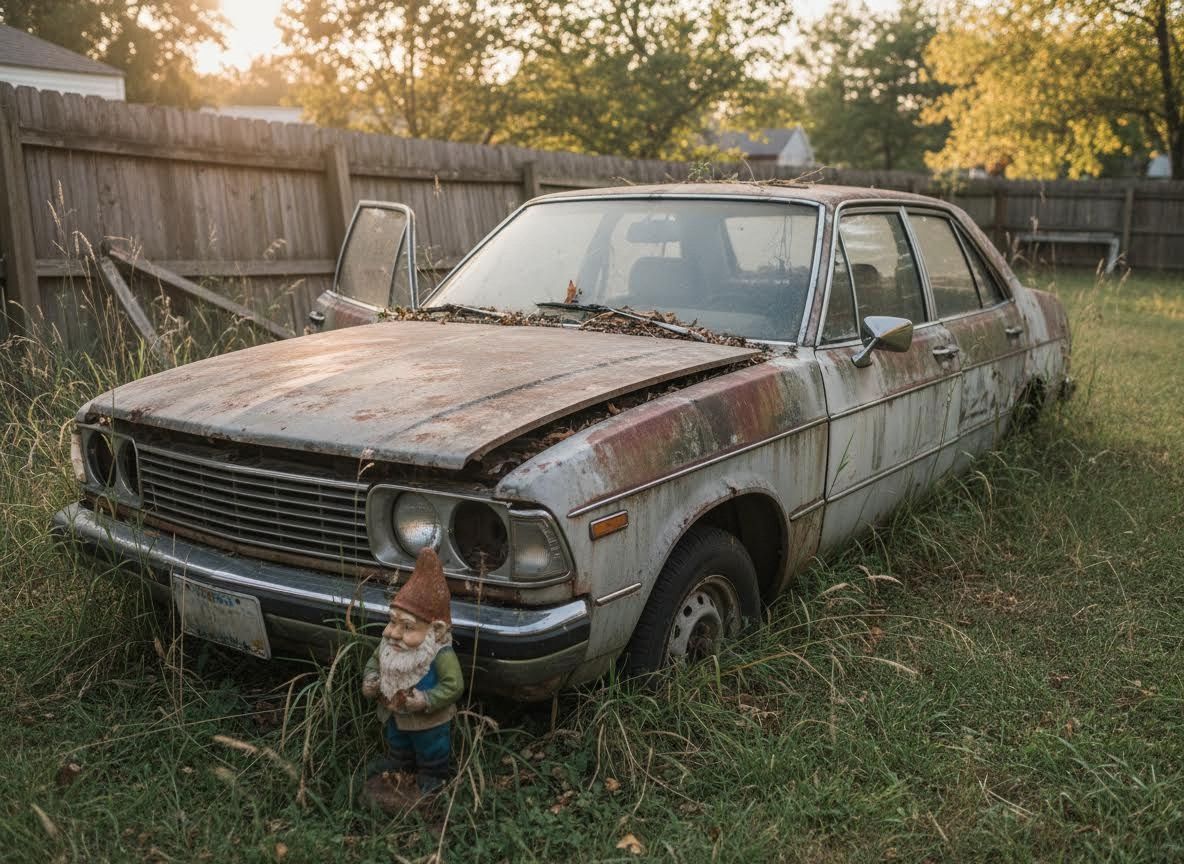
The Stationary Lawn Ornament
Perhaps the most obvious sign: your car simply doesn't move anymore. If your vehicle has been sitting in your driveway, garage, or backyard for months or even years, collecting dust and rust, it has likely transitioned into a stationary object rather than a functional mode of transportation. Cars that sit idle for extended periods often develop a host of issues, from seized engines and brakes to deteriorated tires and fuel systems, making revival an expensive and often futile endeavor.
Recognizing these signs can help you make an informed decision about your vehicle's future. There comes a time when holding onto an old car becomes more of a burden than a benefit. If you've identified that your vehicle fits the description of a junk car, consider exploring options to easily and profitably dispose of it. To discover how simple it can be to turn your old car into cash, explore the quick valuation process offered by Car buyers cash for junk cars.